.png)
Modalities

Acceptance & Commitment Therapy (ACT)
ACT helps you build a different relationship with difficult thoughts and emotions rather than trying to eliminate them. The focus is on increasing psychological flexibility learning how to stay present, make room for discomfort, and take meaningful action aligned with your values.

Eye Movement Desensitization and Reprocessing-EMDR is a trauma-informed approach that helps the brain process distressing memories so they no longer feel overwhelming in the present. Through bilateral stimulation, EMDR supports the integration of past experiences and reduces emotional reactivity and symptoms related to trauma.

Cognitive Behavioral Therapy (CBT)
CBT focuses on identifying and shifting unhelpful thought patterns and behaviors that contribute to emotional distress. By increasing awareness of how thoughts, feelings, and actions interact, CBT helps develop practical skills for managing anxiety, depression, and everyday challenges.

Clinical hypnosis is a focused, collaborative state of attention that allows access to deeper patterns of learning, memory, and emotional experience. Used therapeutically, hypnosis can support nervous system regulation, trauma healing, habit change, and increased self-awareness in a safe and intentional way.

Dialectical Behavior Therapy (DBT)
DBT emphasizes skills for emotional regulation, distress tolerance, mindfulness, and interpersonal effectiveness. It is especially helpful for individuals who experience intense emotions or feel overwhelmed by relationships, impulses, or mood swings.
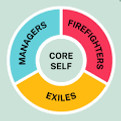
Internal Family Systems (IFS)
IFS views the mind as made up of different “parts,” each with its own role and intention. Therapy focuses on building a compassionate relationship with these parts, reducing internal conflict, and strengthening a sense of calm, clarity, and self-leadership.
_edited.png)
Motivational Interviewing (MI) is a collaborative, client-centered approach that helps people explore their motivation for change. It focuses on empathy, understanding ambivalence, and supporting individuals in identifying their own reasons and readiness for change, rather than being told what to do.
_edited.png)
Mindfulness-Based Stress Reduction (MBSR) is an evidence-based approach that teaches mindfulness skills to help reduce stress and improve emotional well-being. It focuses on present-moment awareness, breath, and body awareness to support greater calm, clarity, and resilience in daily life.
_edited_edited.png)
Emotionally Focused Therapy (EFT) is an attachment-based approach that helps people understand and change emotional patterns in relationships. It focuses on identifying underlying emotions and needs to create stronger, more secure connections with self and others.

Trauma-Focused Therapy is an approach that helps people safely process and heal from traumatic experiences. It focuses on understanding how trauma impacts thoughts, emotions, and behavior, while building coping skills, emotional regulation, and a sense of safety and empowerment.

Gottman Therapy is a research-based, structured approach to couples therapy that helps partners strengthen their relationship by improving communication, managing conflict effectively, and deepening emotional connection. It focuses on building trust, friendship, and shared meaning while using practical, evidence-based tools to support long-term relationship health and stability.

Somatic Therapy focuses on the mind–body connection, helping people become aware of how stress and trauma are held in the body. It uses body-based awareness, sensation, and movement to support regulation, release stored tension, and restore a sense of balance and safety.