
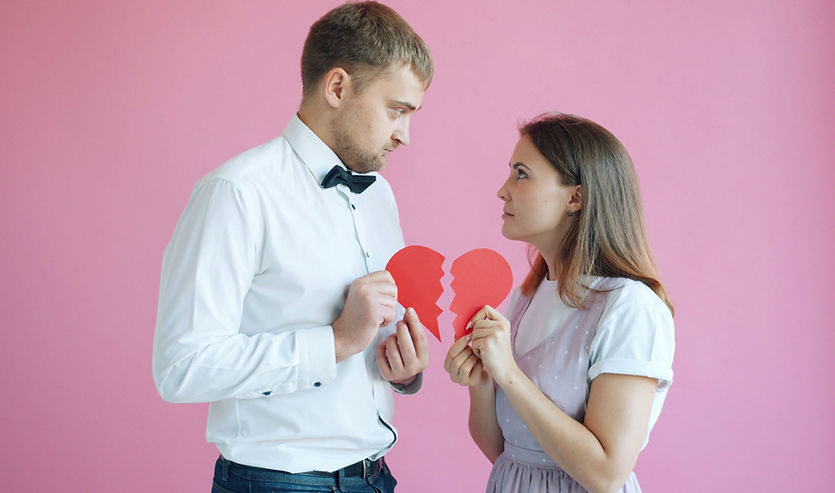

Conflict Resolution
We agree to turn the page
on past conflicts, and start
a new chapter today.
GROUP THERAPY · PROVO, UTAH
Conflict Resolution Group Therapy
Conflict does not have to damage relationships. When handled with awareness and emotional safety, it can actually deepen understanding and connection. This conflict resolution group helps individuals and couples learn how to stay regulated, communicate clearly, and repair after difficult conversations. The group integrates research from the Gottman Institute, VitalSmarts, Sue Johnson, Deb Dana, and Brené Brown with practical tools that can be used immediately in real life. Each session blends learning with guided reflection so insight turns into change.
Conflict is a normal part of close relationships. What often causes harm is not the disagreement itself, but how quickly emotions escalate, defenses activate, or conversations shut down. This group is designed to help participants understand what happens in the body and mind during conflict and how to respond in ways that create safety rather than distance.
What You Will Learn
01
How the nervous system reacts during conflict
02
Why conversations escalate or shut down so quickly
03
How attachment needs influence communication
04
Ways to express needs and boundaries without blame
05
How to repair after arguments instead of avoiding them
06
How to slow conversations down before damage occurs
Group Structure
Each 60 to 90-minute session is intentionally divided into two parts.
FIRST HALF
Learning and skill development
Participants are taught practical, research-based tools for understanding conflict, emotional reactivity, and communication patterns. Sharing personal experiences is optional during this portion.
SECOND HALF
Processing and integration
Participants reflect on how the material applies to their own experiences, notice emotional and physical reactions, and practice new ways of responding in a guided and supportive environment. This is not a space for arguing or re-enacting conflicts. The focus is on awareness, regulation, and meaningful change.
The structure is informed by evidence-based repair models, including the Gottman Institute’s “Aftermath of a Fight,” that emphasize emotional safety, responsibility, and understanding rather than blame.
Who This Group Is For

Individuals who want healthier communication
Couples experiencing recurring conflict or emotional distance
People who shut down, escalate, or feel overwhelmed during disagreement
Anyone wanting more safety and clarity in relationships
Couples may attend together, and individuals are welcome to attend on their own.
Frequently Asked Questions
No. Individuals are welcome to attend on their own, and couples may attend together if both choose. The group is structured to support emotional safety in either case.
It is both. The group combines structured learning with guided processing. It is more interactive than a class and more structured than a typical support group.
No. Participation is always voluntary. You are encouraged to share only what feels appropriate and safe for you.
That is very common. A key part of this group is learning how to recognize nervous system activation and slow things down before overwhelm takes over.
Yes. Many participants attend specifically because conflict has become difficult or repetitive. The group focuses on safety, repair, and awareness rather than blame.
Each session lasts between 60 and 90 minutes.